2026-2027 Fellows & Projects
Fellows by Year
- Fellows 2026–2027
- Fellows 2025–2026
- Fellows 2024-2025
- Fellows 2023-2024
- Fellows 2022-2023
- Fellows 2020-2022
- Fellows 2018-2019
- Fellows 2017-2018
- Fellows 2016-2017
- Fellows 2015-2016
- Fellows 2014-2015
- Fellows 2013-2014
- Fellows 2012-2013
- Fellows 2010-2011
- Fellows 2009-2010
- Fellows 2008-2009
- Fellows 2007-2008
- Fellows 2006-2007
- Fellows 2005-2006
- Fellows 2004-2005
- Fellows 2003-2004
- Fellows 2002-2003
- Fellows 2001-2002
- Fellows 2000-2001
- Fellows 1999-2000
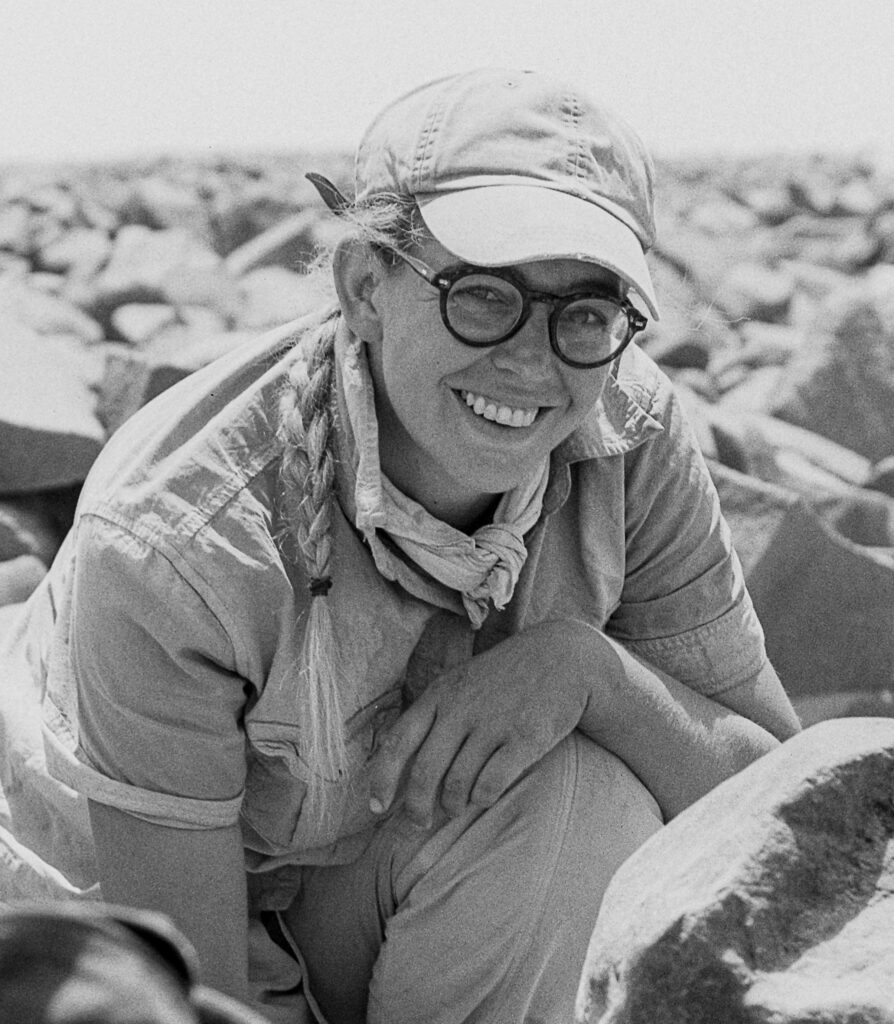
Blair Heidkamp
Carol & Eric Meyers Doctoral Dissertation Fellow
PhD Candidate, University of Texas at Austin
Project Title
Points as Proxies: Reevaluating Projectile Typologies, Subsistence, and Mobility in the Prehistoric Levant
Project Description
Blair Heidkamp is currently conducting research and writing her PhD dissertation. Her dissertation is looking at projectile point typologies from the Late Epipalaeolithic through the Neolithic from the northern and southern Levant. For this, she is utilizing published materials, as well as assessing lithic collections from previously excavated sites. Of particular interest are the boundaries of specific projectile point typologies across the region and the mapping of the spread of their appearances at sites across time. While analyzing lithic assemblages for projectiles, she will also be identifying cases of Naviform or bidirectional blade/core manufacture to aid in the identification of chronological time markers for assemblages in different parts of the Levant.
Biography
Blair Heidkamp is a Near Eastern archaeologist focused on the later prehistory of the Levant. She is currently the Field Director for the Kites in Context Archaeological Project in Jordan and has worked on many field projects throughout the southern Levant, primarily focused on the Neolithic and Chalcolithic periods. As a PhD Candidate at the University of Texas at Austin, her research pertains to hunter-gatherers and the transition to sedentary life, lithic and ground stone analysis, as well as landscape and environmental archaeology.
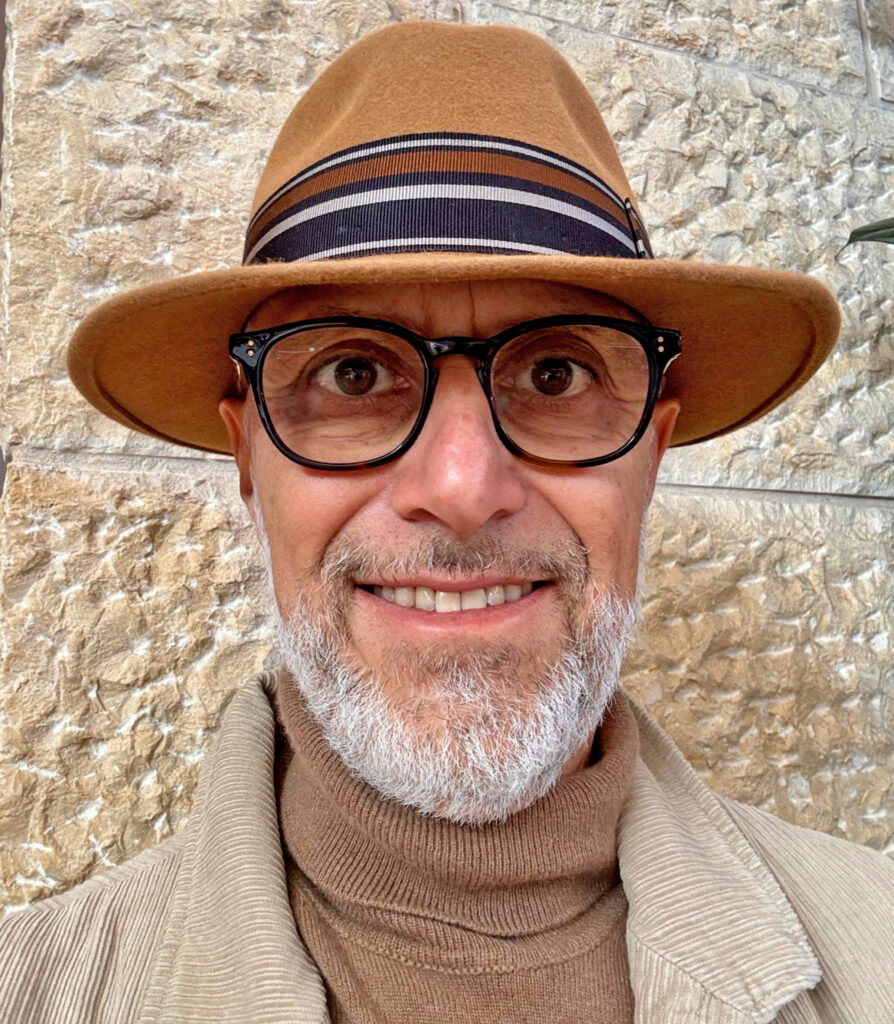
Lorenzo Nigro
Seymour Gitin Distinguished Professor
Full Professor of Archaeology of West Asia and Eastern Mediterranean, Sciences of Antiquities, Sapienza University of Rome
Project Title
JERICHO VI: Final Publication of the 2009-2025 Palestinian-Italian Excavation
Project Description
JERICHO VI: The Final Publication of the 2009–2025 Italian–Palestinian Excavations at Tell es-Sultan/Jericho seeks to complete the definitive synthetic publication of twenty-first-century research at one of the world’s most iconic archaeological sites. Between 2009 and 2025, the Sapienza University of Rome expedition, conducted jointly with the Palestinian Ministry of Tourism and Antiquities, documented major evidence for Jericho’s Pre-Pottery Neolithic, Bronze Age, and Iron Age occupations, including fortifications, cultic and palatial complexes, production areas, and extensive environmental and archaeometric datasets. The Seymour Gitin Distinguished Professorship provides the ideal framework to finalize this work, enabling focused integrative analysis and regional stratigraphic comparison across the southern Levant. Residency in Jerusalem ensures direct access to key libraries, collections, and scholarly networks. The project will culminate in an authoritative final volume presenting the definitive account of early twenty-first-century archaeology at Jericho.
Biography
Lorenzo Nigro is Professor of Near Eastern and Mediterranean Archaeology at Sapienza University of Rome. He directs long-term archaeological missions in the southern Levant, Jordan, Tunisia, and the central Mediterranean, including the Italian–Palestinian Expedition at Tell es-Sultan (Jericho). His research focuses on early urbanism, Bronze Age societies, and cultural heritage management as well as on rescue archaeology in conflict areas. He has led major UNESCO-related projects (Jericho, Carthage) and authored numerous monographs and articles on Levantine archaeology.
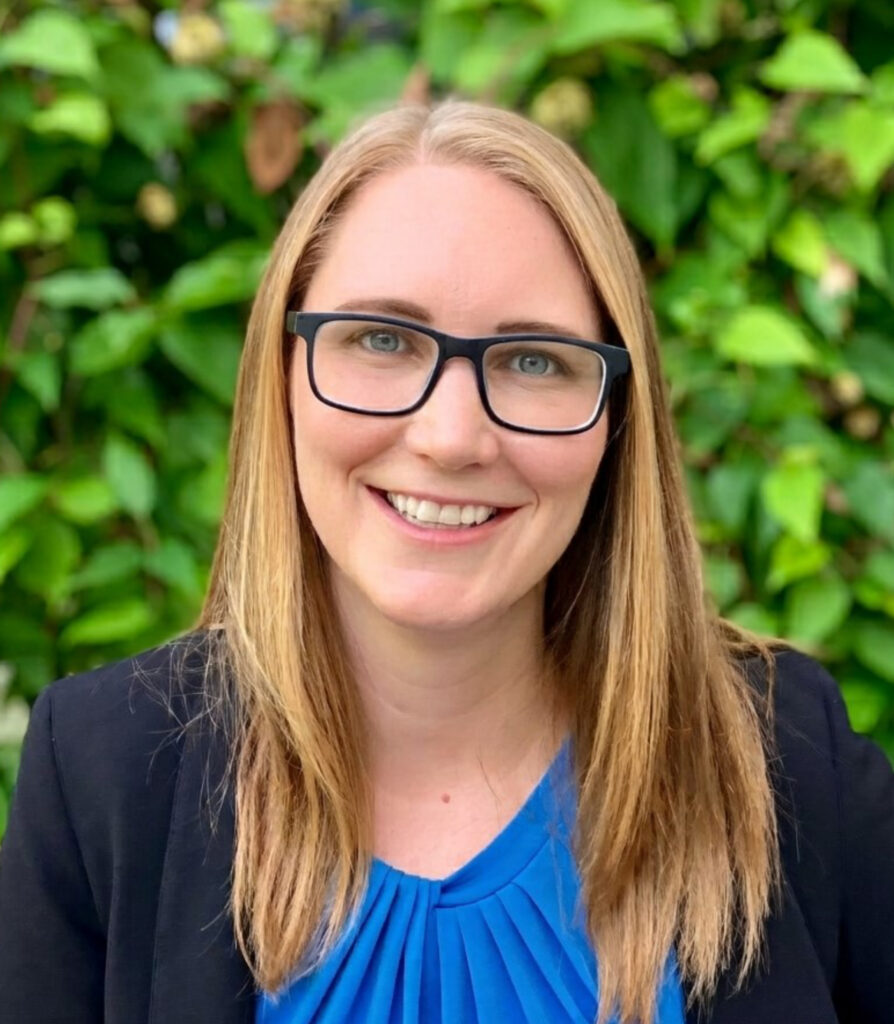
Christina Olson
Marcia & Oded Borowski/George A. Barton Research Fellow
Adjunct Professor, Religion, Baylor University
Project Title
The House of the Graves of the Ancestors: Negotiating the Memory of the Dead in Postexilic Judah
Project Description
During her time at the Albright Institute, Christina will be developing her book based upon her dissertation project examining the relationship between postexilic communities of former Judah and their ancestral tombs. This work will involve researching and surveying the burial sites and settlements of the Iron through early Hellenistic periods to gain a greater understanding of the topography and tombs, primarily in Jerusalem. She plans to establish a repository of the Persian-period mortuary data and develop a more quantifiable view of the post-exilic relationships between settlement, roads, and burials.
Biography
Dr. Christina Olson recently received her doctorate from Baylor University in Religion-Old Testament/Hebrew Bible Studies. Christina’s research focuses on burial practices of the southern Levant, with a primary emphasis on the Persian period. She explores textual and material evidence to consider the intersection between mortuary practices and postexilic memory of the dead. She has worked on archaeological projects in Colorado, Italy, and Israel, including seven years at the site of Tell es-Safi/Gath.
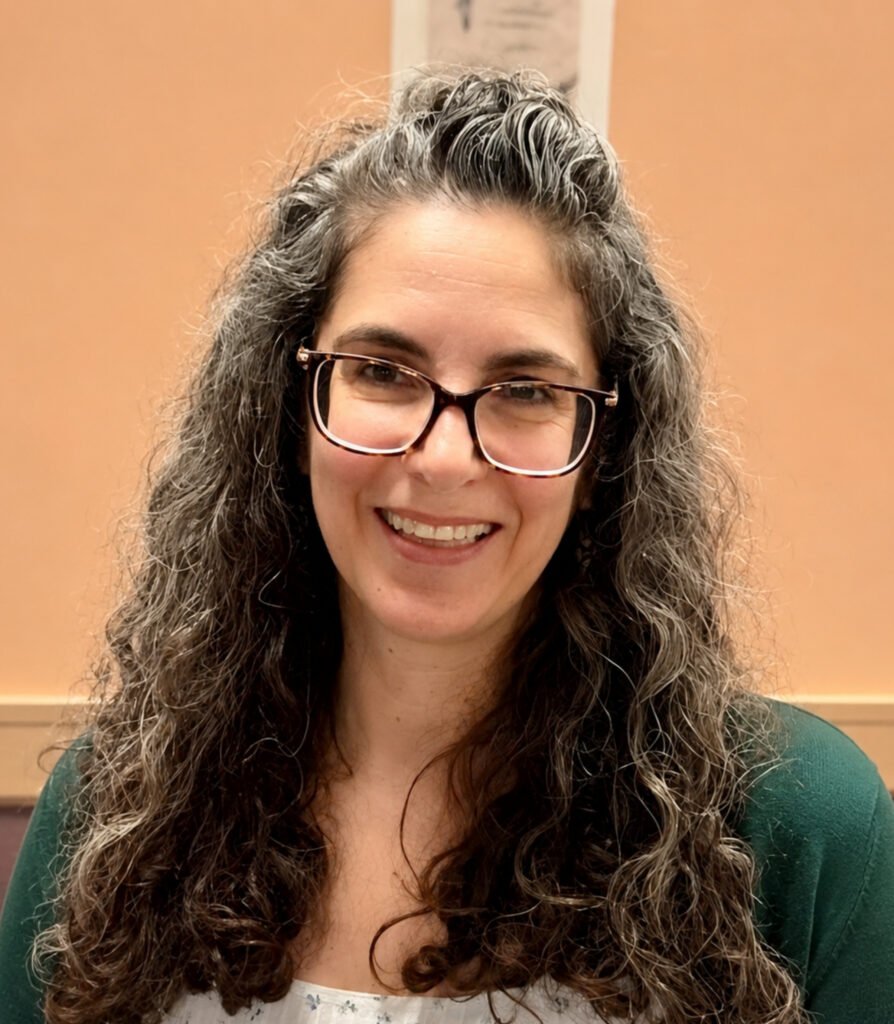
Na'ama Pat-El
Ernest S. Frerichs Annual Professor
Ralph W. Yarborough Centennial Professor of Liberal Arts, Middle Eastern Studies, University of Texas, Austin
Project Title
Integrating Archeological Data in the Dating of Biblical Texts
Project Description
The majority of the arguments in the debate on the dating of biblical texts have been philological. Only recently have some scholars started advocating for a more holistic view of dating, using a variety of sources, and not relying solely on textual methods, such as philology or linguistics, but this approach has not been adopted widely as of yet. My proposed project aims to look into expanding our dating methods to include additional resources, primarily archeology. As a test case, I will take a critical look at an argument about the date of Song of Songs.
Biography
Na’ama Pat-El is a specialist of Semitic languages. She has published on historical linguistics and language genealogy, as well as the history of specific branches, primarily Hebrew, Aramaic, Akkadian, and Arabic.
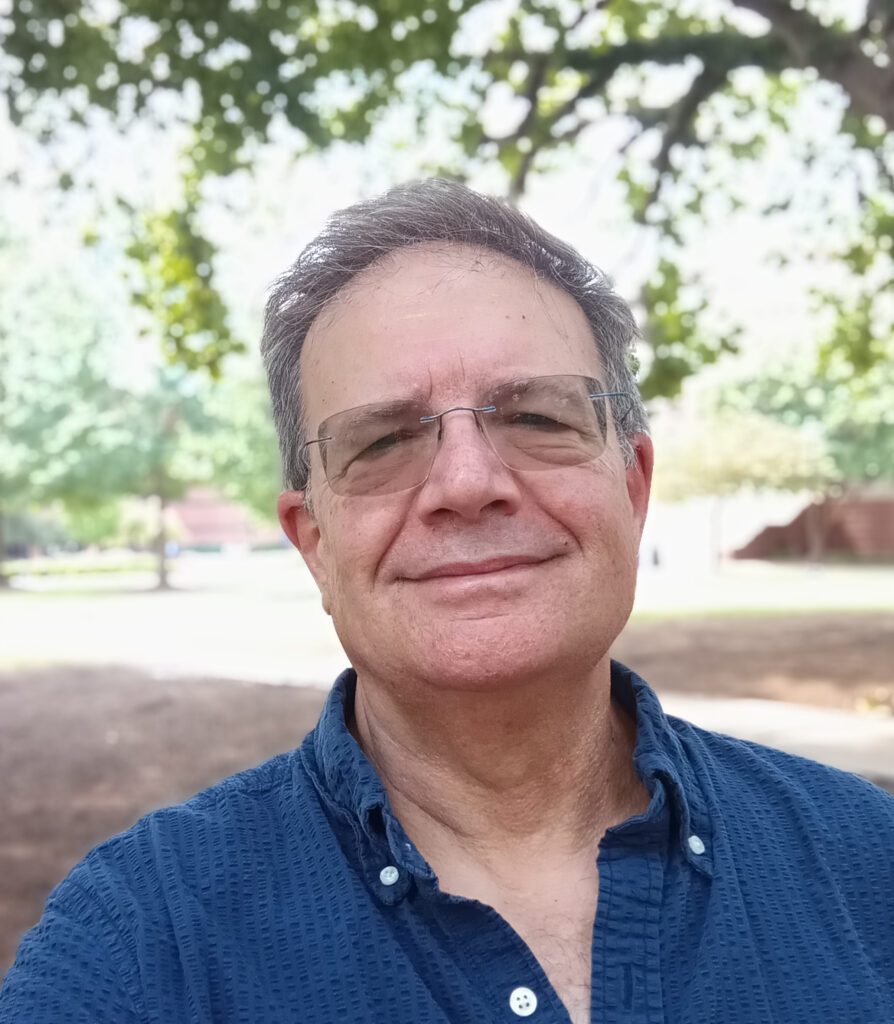
Benjamin Saidel
Seymour Gitin Distinguished Professor
Professor, Department of Anthropology, East Carolina University
Project Title
Application: Archaeology of an Ottoman and British Mandate Tent Camp
Project Description
The project will produce the final excavation report for Nahal Be’erotayim West, a Bedouin tent camp in the western Negev dating to the sub-recent period (1700–1948 CE). Diagnostic artifacts and radiocarbon dates indicate that the site was intermittently occupied between the fifteenth and nineteenth centuries. Excavations revealed multiple hearths and the remains of several tents, providing important evidence for the archaeological visibility of Bedouin communities in the Negev. The assemblage includes Gaza Ware pottery, ammunition, metal objects, porcelain, and personal ornaments, offering insights into domestic activities, the presence of women, and regional networks of trade and exchange. The completed report will contribute new archaeological and anthropological data on the material and social dimensions of Bedouin life and provide a foundation for comparative study of Bedouin assemblages from the Negev and Petra, particularly changes in material culture before and after 1948.
Biography
Benjamin Saidel is Professor of Anthropology at East Carolina University. His research focuses on the archaeology of the Negev Bedouin and the material culture of pastoral societies. He has conducted archaeological and ethnoarchaeological research in Israel and Jordan and has published on Bedouin archaeology, Gaza Ware pottery, tent camps, and processes of sedentarization.

William Zimmerle
Lydie T. Shufro Summer Research Fellow
Associate Professor, Arts & Humanities, Ancient World Program & Heritage Program, New York University Abu Dhabi
Project Title
Arabia in Ancient Israel
Project Description
The project examines the role of Arabian aromatics in the southern Levant from the beginnings of the Iron Age through the Achaemenid Persian period. It challenges the assumption that the earlier Arabian incense trade was principally composed of frankincense and myrrh by investigating “all kinds of aromatics,” including these gum-resins as well as incense mixtures. The study will evaluate the impact of Arabia on ancient Israel through the material and textual evidence for aromatics and their trade. Its approach brings together archaeology, historiography, comparative Semitics and Arabian inscriptions, Biblical studies, Assyriology, and organic residue analysis in order to reassess the development of the Arabian incense trade prior to Hellenism and its connections with the southern Levant.
Biography
William Zimmerle is Senior Lecturer in Arts & Humanities at New York University Abu Dhabi, where he is affiliated with the Ancient World Program, Heritage Program, History Program, Arab Crossroads Program, and Department of Anthropology. He is also Special Lecturer in Public & Global Affairs and History at Fairleigh Dickinson University. His research focuses on Arabian aromatics and incense burners, archaeology and ethnographic heritage, rock art, and pre-Islamic South Arabian inscriptions.